Intimacy 3 min read
Why Attraction Changes Instead of Fading
Discover why the initial spark of a relationship evolves into a deeper, quieter connection and how to navigate shifts in desire without force or pressure.
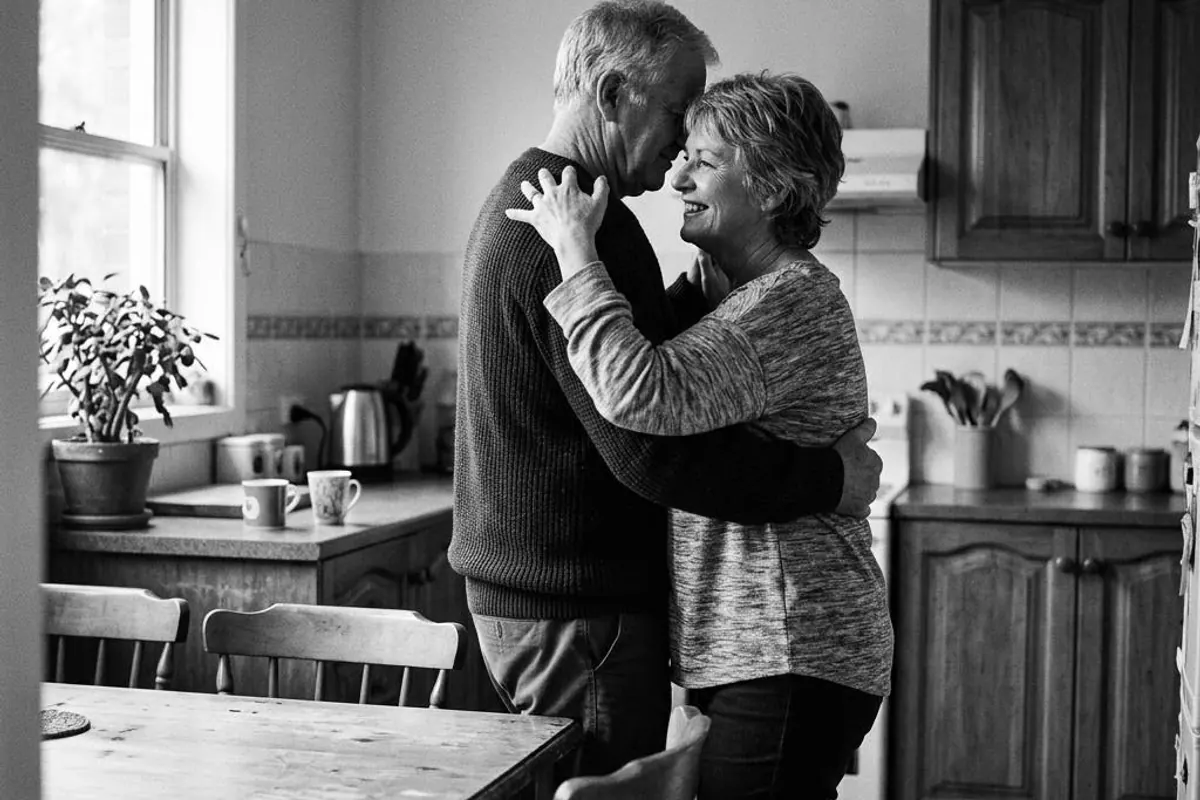
A common piece of advice for couples experiencing a decline in passion is to introduce novelty—lighting candles, visiting new places, or experimenting in the bedroom. While logical, this rarely provides a long-term solution. Often, it offers a fleeting boost for a couple of weeks before everything returns to its previous state.
The issue is not a lack of novelty, but a misunderstanding of how two different biological mechanisms function simultaneously within the body.
Two Mechanisms That Are Easily Confused
One mechanism governs desire in its purest form—a sharp release of dopamine triggered by mystery and the thrill of uncertainty. This is what provides that initial intensity in new relationships: the racing heart, sleepless nights, and the cinematic feeling of discovery. This process thrives on difference, new partners, and the unknown.
The second mechanism functions more quietly and slowly. It is driven by oxytocin and vasopressin, creating a sense of home and security with a familiar person. This mechanism thrives on repetition. The longer a couple is together, the more this system dictates their physical connection.
When the first mechanism naturally fades—as it does for everyone—attention shifts to the second. This change is not a sign that love has ended or that you are with the wrong person; the hormonal system is simply not built to maintain a peak of uncertainty indefinitely. It feels like a loss only because people continue to measure their current state against the metrics of the early phase.
Added novelty can briefly reactivate the first mechanism, which explains its temporary success. However, while you can reactivate it, maintaining that state for years is not biologically sustainable.
Desire That Follows, Not Precedes
In sexology, experts distinguish between spontaneous desire and responsive desire. Spontaneous desire arises without an external prompt—you wake up and feel a sudden urge. Culture often frames this as the only valid model for attraction. Responsive desire works differently: it does not precede intimacy but is born within it. It begins with touch, closeness, or attention, and arousal arrives as a response.
Over time, the proportion of responsive desire often grows for many people. This is not a decline in attraction, but a change in the internal sequence of events.
The trouble arises when couples wait for a spontaneous impulse and interpret its absence as a cooling of feelings. The signal is present; it simply arrives later, after a touch, rather than before it.
Why Quiet Connections Are Often Misunderstood
The dopamine phase is loud and easily described—it is intense, impatient, and demanding. The oxytocin phase operates in the background: it brings calm, the absence of anxiety in a partner's presence, and deep trust. This is also powerful neurochemistry, yet it lacks the dramatic 'special effects' of the first phase, leading people to mistake this peace for a deficiency, when the opposite is true. A relationship built solely on the first mechanism often burns out in months, as it is unsustainable to live at a constant peak.
Moving Forward
The most frequent error is attempting to artificially recreate the first phase. While novelty may work in the short term, it misses the point: relationships do not need to return to their starting chemistry to remain vibrant.
A more sustainable path is to align expectations with the second model. Instead of waiting for a predetermined impulse, create conditions where intimacy can emerge naturally: moments of closeness without an outcome-oriented goal, touch without a strict script, or time spent together without a set agenda. The less pressure placed on 'needing to feel it right now,' the greater the chance that the feeling will arrive on its own terms.
The advice to 'add novelty' is not wrong, but it addresses the wrong phase. The real question is not how to get the initial spark back, but how to recognize the warmth that is now burning by different rules.