Relationships 5 min read
Playing with Feelings: How to Spot Manipulation in Online Dating
Navigate online dating with confidence by learning to identify common manipulation patterns and maintaining your emotional wellbeing.
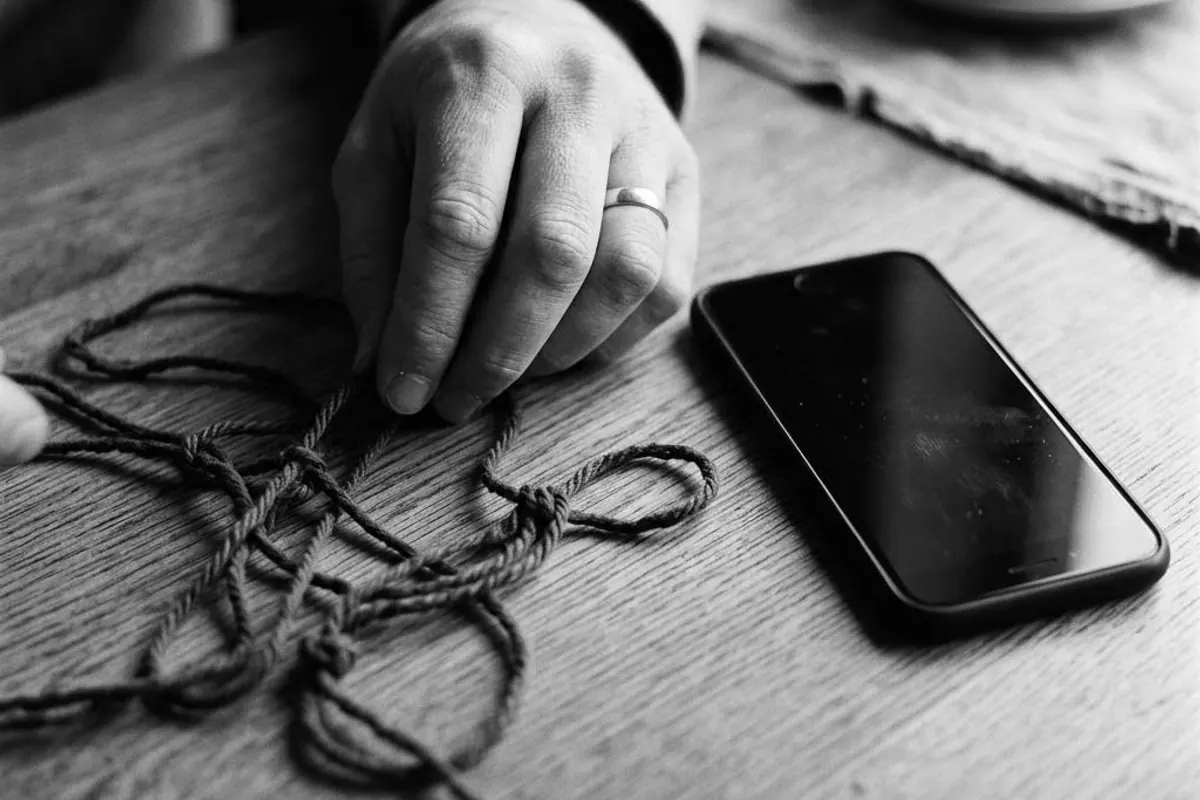
Online dating often begins the same way: chatting, initial interest, and the anticipation of a first date. Sometimes, however, things feel off. The person behind the screen seems charming, attentive, and perfect, yet you develop a strange sense of unease. It is not necessarily fear or a specific complaint; it is just a nameless anxiety.
Most of the time, this is not paranoia. It is a signal.
Manipulation in messaging rarely presents as overt pressure. It works more subtly: through small inconsistencies, an unsettling tone, or how you feel after a conversation rather than during it. Learning to notice these signals is a vital skill for any relationship, not just for your safety.
Why Manipulation Works So Well in Messaging
In face-to-face interaction, we have more information. We see facial expressions, hear tone, and notice pauses. Text lacks these nuances, leaving only words, which are easily adjusted to create a desired effect.
This is why online platforms attract those who can say the right things but lack the desire or capacity to follow through. In reality, such people are easily unmasked, but in text, they can build a false persona for months.
The second factor is speed. Good conversations quickly create a sense of intimacy. While natural, this feeling makes us less critical. When it feels like you have already discussed so much, it becomes harder to notice when things do not add up.
Third is our own desire. We want the person to be 'the one.' This leads us to rationalize red flags: 'I'm probably imagining it,' or 'they're just being direct.'
Love Bombing: Too Much, Too Fast
This is a recognizable pattern that is difficult to spot initially because it feels flattering.
The person writes constantly, warmly, and admires you from day one. They call you the special person they have been looking for, talk about the future within a week, want to meet daily, and express jealousy or hurt if you are busy or reply slowly.
Individually, these might just be temperament, but together, they are an attempt to create emotional dependency before you truly know the person.
The test is simple: try to slow down. Delay your reply. Say you are busy. A secure person will calmly accept your rhythm; a manipulator will apply pressure, act offended, or disappear.
Gaslighting: 'You Are Imagining It'
Gaslighting involves systematically questioning your version of reality through denial and flipping the narrative.
You might point out an inconsistency, and they respond: 'I never said that, you are confused,' or 'I meant something else, you interpreted it weirdly.'
Over time, you start proofreading your messages, doubting your memory, and apologizing for 'misunderstanding.'
A key marker: if you feel guilty after most conversations, that is not normal. Healthy relationships share responsibility. Use screenshots if you need to ground yourself in reality, as having a clear record makes it harder for them to convince you that you are making things up.
Guilt Tripping: 'After All I Have Done for You'
This pattern builds on the idea of debt. The person provides a gift, attention, or help, only to use it later as leverage in an argument or as a tool for pressure.
Examples include: 'I spend so much time chatting with you, and you can't even meet at a time that works for me,' or 'I changed my plans specifically for you,' or 'Is this how you behave after everything I have done for you?'
The goal is to replace your freedom of choice with a sense of obligation. Healthy relationships involve people doing nice things because they want to, not to create a debt. If gifts or favours are consistently weaponized, it is not genuine care.
Escalating Demands: Gradual Normalization
This starts small: 'send a photo,' 'let me know when you get home.' Each request seems reasonable, often explained as 'caring.'
However, demands grow. Expectation of immediate replies, reports on your whereabouts, resentment of time spent with friends, and criticism of your social media photos follow. This does not happen overnight, which is why it is hard to spot.
If you catch yourself thinking 'this wasn't like this before,' stop and look at the whole picture, not just the current moment.
Emotional Rollercoasters: Hot and Cold
The 'hot-and-cold' pattern involves alternating between intense warmth and sudden, unexplained distancing.
The effect is predictable: anxiety and attempts to 'fix' things by walking on eggshells. Sometimes this reflects a person with poor emotional regulation; other times, it is a conscious tool for control.
Test this by refusing to react to the 'cold' phase. Do not apologize, ask what is wrong, or chase them. See how they react. If they return and communicate clearly, it is one thing; if they increase distance or blame you, it is another.
Isolation: 'Your Friends Don't Understand You'
This manipulation often appears after trust is established. The person subtly critiques your circle: 'I think your friend is jealous of you,' or 'You listen to them, but not to yourself.'
The goal is to decrease your trust in those who have known you longer, as these people are the most likely to spot the manipulation and support your exit. If someone systematically undermines your loved ones, it is a significant red flag.
Why It Is Hard to Leave
Understanding why you stay is not about admitting weakness; it is about recognizing the mechanics of the situation.
First, investment: the more time and emotion you commit, the harder it is to accept that the foundation was built on manipulation. Second, the 'good moments': the cycle of positive and negative experiences creates a bond that is difficult to break. Third, self-doubt: gaslighting and guilt trips make you stop trusting your own judgment.
If this resonates, talk to someone you trust to get an outside perspective.
Clear Orientations for Your Wellbeing
These are not rigid rules, but markers to help maintain clarity:
Check how you feel after communicating. Good interactions leave you feeling light or warm; persistent fatigue, anxiety, or guilt is a signal.
Test your ability to say 'no.' A person's reaction to your boundaries—whether regarding timing, photos, or meeting—speaks volumes.
Observe if words match actions. Pay attention to how they behave when you disagree or are busy, not just what they promise.
Distinguish between a feeling of closeness and actual knowledge. A month of chatting might feel intimate, but check if you actually know where they work or how they live.
Online dating safety is about paying attention to your own reactions. A good connection should leave room for ease and curiosity. When that is missing, the lack of it is your answer.