Wellbeing 2 min read
Potions, Beetles, and the Alchemy of Desire
Explore the historical pursuit of aphrodisiacs, from ancient remedies and dangerous toxins to the psychological power of belief in human intimacy.
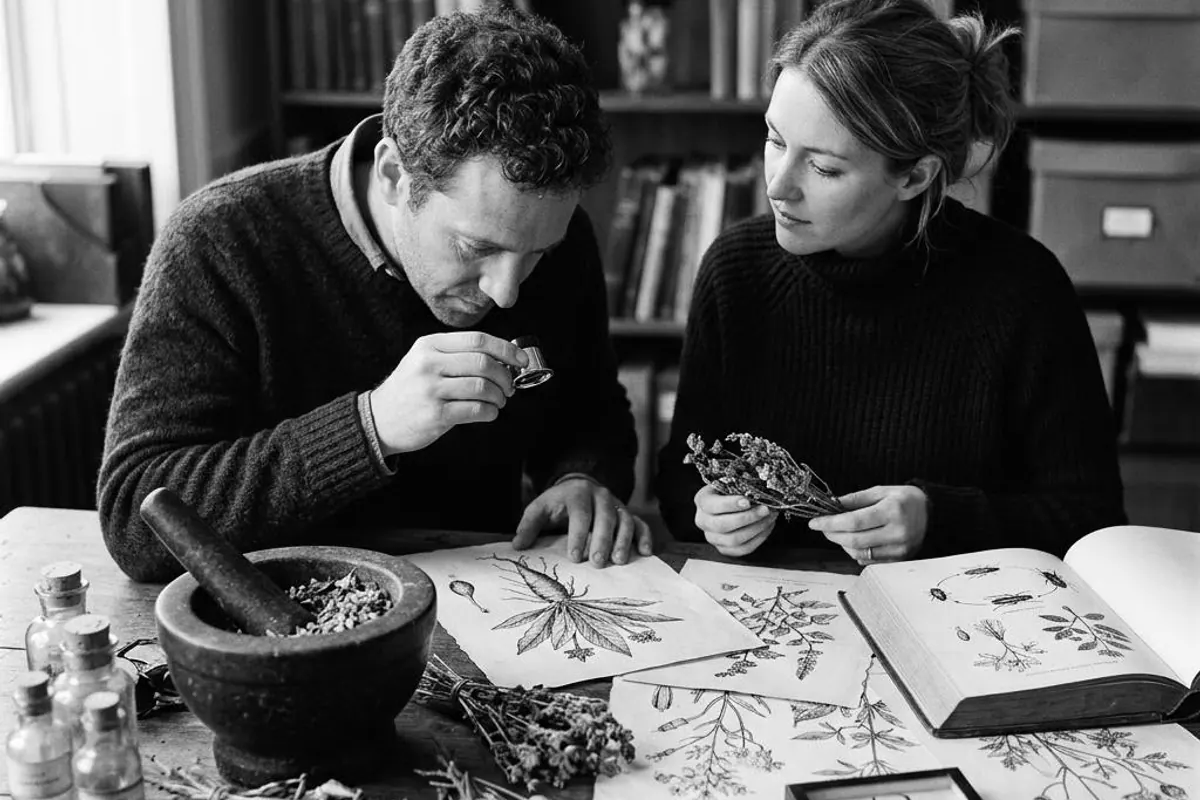
In the past, medicine as we know it did not exist, yet the desire for enhancement remained constant. People sought solutions wherever they could find them, ranging from herbal infusions and animal components to questionable concoctions and outright toxins. Whether a remedy was harmless or fatal often came down to chance. For centuries, the logic remained the same: there must be a secret switch capable of igniting passion instantly.
Strength Was Paramount
In the ancient world, male vitality and female fertility were essential for survival. Egyptians subscribed to the magic of correspondence, believing that if an animal possessed high fertility, that quality could be acquired by consuming or applying specific parts of the creature. This belief system formed the basis of much of their medicinal practice, utilizing dried, crushed, or oil-infused ingredients.
The blue lotus was treated differently, with its petals steeped in wine to create a mild, intoxicating beverage. It remains one of the more harmless preparations from that era.
The Romans took these concepts to extremes. As exotic goods flowed into imperial ports, many new items were immediately branded as aphrodisiacs. Oysters and pungent spices were standard, while orchid tubers were added to the list simply because their shape resembled human anatomy. Few chose to challenge these claims.
In reality, the effect was driven not by chemistry, but by mindset: individuals approaching a meal with the conviction that their evening would be a success often found that it was.
Spanish Fly
The most famous and dangerous substance used was the Spanish fly. Despite the name, it is a common bright green beetle that was dried, ground into powder, and added to wine.
The effect relied on a toxin called cantharidin, which caused severe inflammation of the mucous membranes and a surge in blood flow. People mistook this burning sensation for sudden passion, but the cost was high. Exceeding the dosage often resulted in kidney failure and death. Even with this knowledge, many were willing to take the risk.
Musk, Alchemy, and Chocolate
Approaches eventually became more sophisticated. During the Renaissance, perfumers and alchemists introduced heavy animal-derived scents like ambergris and musk, which were incredibly expensive. These were applied to gloves, bedsheets, and undergarments, with the expectation that the aroma alone would incite desire.
Chocolate has its own history. When cacao was introduced from the New World, the thick, spiced drink caused such a sensation that the Church considered banning it as a demonic temptation. In truth, its effects were likely due to a dopamine spike. Nevertheless, the reputation of cacao as a forbidden pleasure persisted for a long time.
The Real Secret
From a modern scientific perspective, most historical remedies were ineffective. Cantharidin was arguably one of the few substances that had a physiological effect, albeit through poisoning. Most other methods worked differently: consuming a 'magical' substance provided the user with confidence. Anxiety diminished, physical tension eased, and the body was then able to respond naturally.
The true active ingredient was always the belief in the outcome, rather than what was in the glass.
Today, poisonous beetles have been replaced by medically recognized treatments and a better understanding of hormones. However, the human desire to find a secret shortcut remains; it simply wears a different disguise in the modern age.