Intimacy 3 min read
Forget Pheromone Perfumes: How Biological Attraction Actually Works
Discover why pheromone-based scents don't work for human attraction and learn how your natural biological cues influence genuine connection and magnetism.
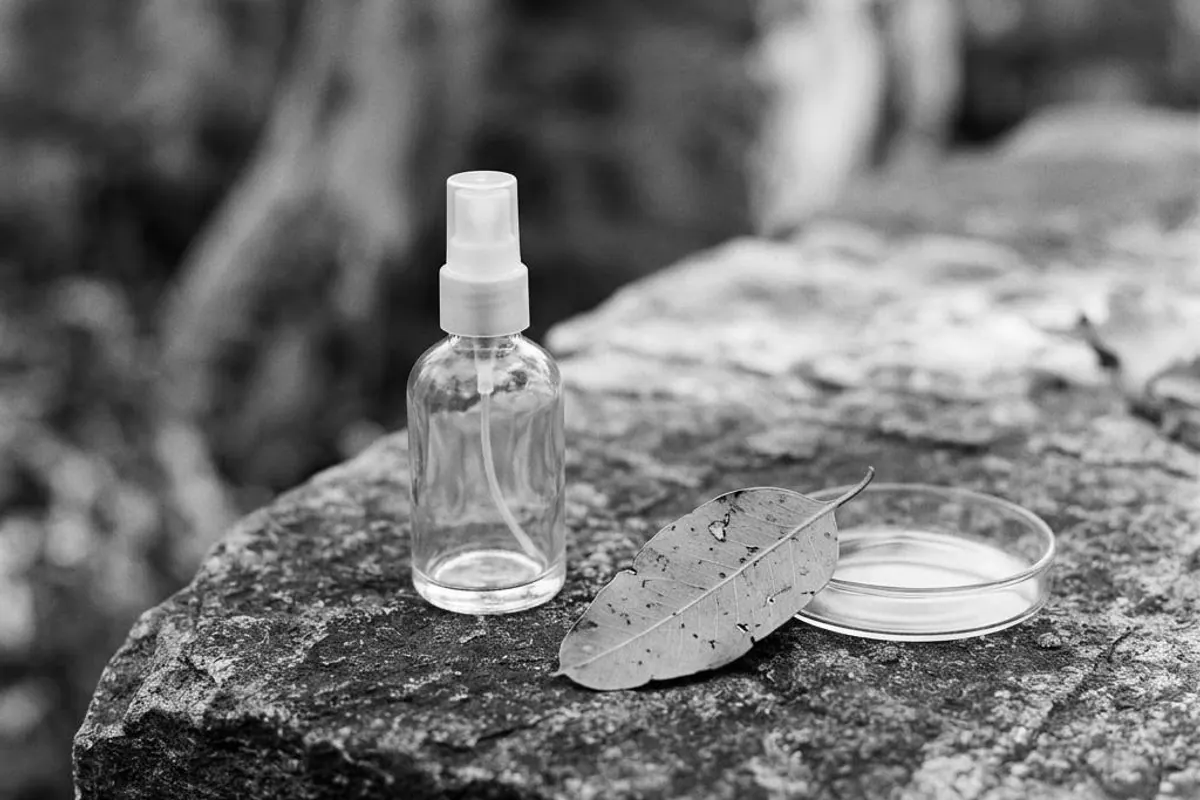
Many people still believe there is a magic bottle somewhere. You buy it, spray it, and suddenly you are irresistible. Perfumes advertised with pheromones or heavy, sweet scents often promise effortless attraction. However, research tells a different story: the strongest pull does not come from a bottle, but from the scent of a living body.
Where the Myth Originated
In 2017, researchers at the University of Western Australia tested two substances often marketed as human pheromones—androstadienone and estratetraenol. Using a double-blind method with 94 participants, neither the subjects nor the researchers knew who received the real substance and who received a placebo.
The results were discouraging for the fragrance industry. These compounds did not affect the perception of attractiveness or any other factor at all.
Unlike insects or rodents, humans do not possess a single 'magic molecule' that can be purchased in a store. The human brain processes a complex mixture of signals simultaneously and reacts to the overall picture rather than a single chemical component.
What Actually Works
MHC genes (also known as HLA), which regulate the immune system, do play a role. In the 1990s, biologist Claus Wedekind conducted the famous 'sweaty t-shirt' experiment: women smelled clothing worn by different men. They consistently preferred the scent of men whose MHC gene sets were significantly different from their own.
The body seems to detect genetic compatibility through smell. The greater the difference in MHC, the stronger the magnetism, a process the brain handles without conscious effort.
While factors like hormonal cycles, diet, and overall health play a role, this mechanism is ancient—a way humans identify compatibility before a single word is spoken.
Why It Matters in Intimacy
When two people are close, the natural scent of the skin comes to the fore. Oxytocin, released during touch, embeds this scent into memory, linking it firmly to arousal.
Interestingly, most people agree that what truly excites them is the warm, natural scent of a partner after a regular day or following intimate contact. Perfume often hinders this by masking the authentic biological cues that naturally draw two people together.
Practical Application
It is simple: avoid harsh chemicals on your skin and choose natural fabrics that do not distort your scent. Sometimes, especially after a workout or a long day, avoid covering yourself with layers of synthetic fragrance.
Even in messaging or digital content where scent cannot be physically sensed, a genuine, unedited detail is often more impactful than a perfectly staged image designed to look like a perfume advertisement.
Are Perfumes Necessary?
They are useful if you know how to use them. Opt for light, musky, or leathery notes that do not mask your natural scent but gently highlight it. Fresh citrus notes can also work if applied sparingly. The key is to avoid over-applying, as you do not want to create an olfactory barrier between you and the person you are with.
Conclusion
Your body's scent does not lie. It honestly reflects health and mood, signaling whether you are biologically compatible with someone else. In an era where everything—from photos to voices—can be filtered or edited, an authentic, unedited note is often the most compelling thing you can offer.
Next time, try not to hide your true self, whether in messages or in person. You may be surprised at how differently people perceive you when you embrace your natural presence.