Relationships 4 min read
Artificial Intelligence in Love and Dating
Explore how AI is reshaping Australian dating and relationships, from automated messaging to digital companions, and the risks of replacing real intimacy.
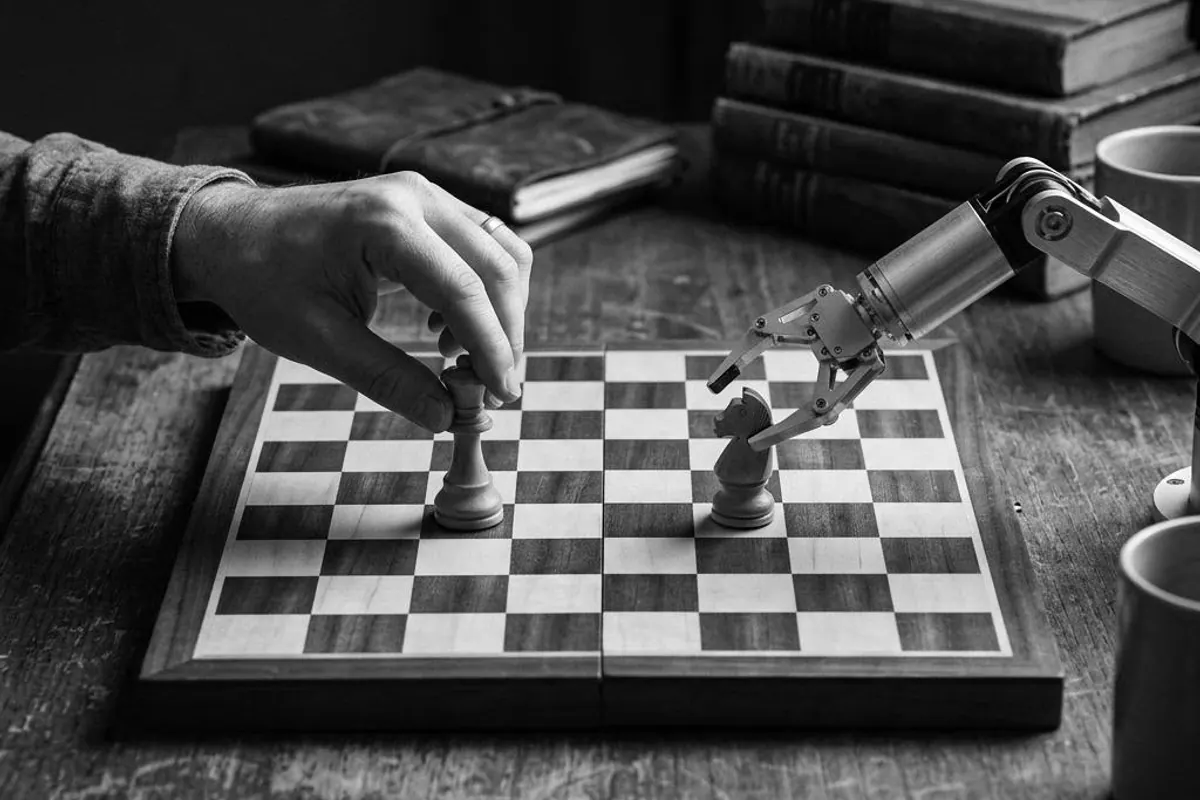
Today, AI can do almost anything: write work reports, generate stunning illustrations, and even manage our personal lives. What felt like a plot line from a sci-fi series like Black Mirror yesterday has become routine today. Some rely on AI to write their first messages on dating apps, others use chatbots as free relationship counselors, and some are even marrying virtual avatars.
Let us explore, without panic or preaching, how artificial intelligence is infiltrating the most intimate spheres of our lives, why we fall for lines of code, and what this means for real-world relationships.
1. Deadlines for Awkward Dates: How AI Helps Find Love
Finding a partner on dating apps has long since turned into exhausting work: endless swiping, generic 'Hey, how are you?' messages, and burnout. It is no wonder that people have decided to delegate this routine to algorithms.
Automation of the search process. A well-known example is the story of a programmer who set up an army of bots to work for him. The AI filtered potential matches based on specific criteria, handled initial messaging, and ultimately helped him propose to his partner. The result was a real-world marriage.
The scale of the trend. Some reports indicate an increasing interest among adults in using neural networks for dating.
What exactly are we trusting to algorithms?
Creating an ideal profile. If you are struggling to write a bio that is humorous and original, an AI tool can assist you in seconds.
Overcoming writer's block. AI can suggest interesting conversation starters to help you move past boring, scripted compliments.
Analyzing behavior. If you receive a confusing message from a crush, you can copy it into a chatbot to ask, 'What did they actually mean?' and get a detailed breakdown of potential underlying meanings.
What is the catch? Experts warn that if an algorithm is communicating for you, people are falling in love with the output of a language model, not with you. Disappointment during an in-person meeting is almost inevitable in these cases.
2. Pocket Therapist: How Couples Resolve Conflict with AI
AI usage does not end at the dating stage. Many couples are bringing AI into their relationships as a third party to mediate disputes.
Stories of couples using chatbots as arbiters in arguments sound amusing, but they reflect a growing trend. Many people who have sought life advice from AI report satisfaction with the results, sometimes trusting these tools more than friends or professional counselors.
Pros and cons of a digital arbiter:
Pros: AI is available 24/7, does not judge, responds instantly, and is far more cost-effective than a real-world professional.
Cons:
Narrow context. The bot only operates on the information you provide and cannot perceive the actual, lived dynamics of a relationship.
The 'echo chamber' effect. Neural networks are designed to please the user. In many cases, they tend to agree with your point of view, justifying your behavior even when you are wrong. This may not resolve a conflict but could instead escalate it.
3. Digital Love: Why People Choose AI Partners
While some use AI as an optimization tool, others go further and enter into full-blown romances with neural networks. Sociologists note that a growing number of young adults have had romantic experiences with chatbots.
Apps are specifically designed to give users the illusion of unconditional acceptance.
Why is it so easy to fall in love with them? Psychologists remind us that we often fall in love not with a real person, but with an image in our own heads. AI perfectly plays into this tendency. It does not interrupt, it does not criticize, it is always available, and it adapts to your every fantasy.
Are these real feelings? According to the triangular theory of love (intimacy, passion, commitment), the human brain is capable of experiencing genuine emotions toward a virtual companion. Our brains are prone to anthropomorphism—we easily imbue a complex piece of code with a soul, empathy, and character.
The Dark Side: What Leads to Addiction to Digital Intimacy?
The convenience of AI relationships contains serious traps:
Deterioration of communication skills. Real people are complex, stubborn, have their own boundaries, and require compromise. An AI partner trains you to have your needs catered to exclusively. By settling for an 'ideal' surrogate, people may lose the ability to handle the natural crises that occur in real-world relationships.
Toxic attachment and loss trauma. When developers of large platforms suddenly change algorithms or remove features (such as restrictions on specific types of roleplay), users experience genuine grief comparable to losing a loved one.
Reinforcing dangerous stereotypes. Many companion bots and voice assistants are programmed to default to roles of submissive, service-oriented helpers. Psychologists note that this may reinforce unhealthy patterns of control and dominance.
Impact on adolescent socialization. When teenagers prefer interacting with bots because they 'don't judge,' they remain unprepared for the harsh, unpredictable reality of the adult world.
Artificial intelligence is a magnificent tool capable of suggesting conversation topics, streamlining routines, or helping you view a problem from a different angle. However, turning it into a replacement for a living, breathing human is a dangerous illusion. True intimacy is born precisely where there is friction, compromise, and the imperfections of two real people. An algorithm is merely a mirror reflecting our own desires, but it cannot love for us.